Mishiranu wagako (1991) – 1,5/5
Even the great one started low. Real low. Iwai’s supernatural non-sense features a pretty shot or two, and a nice theme tune, too. The rest is garbage that may have slight interest value for hard core fans like me.


Koroshi ni kita otoko (1991) – 1/5
And lower we go. Z-grade ’memories come back haunting’ assassin drama only succeeds in angering the viewer.


Maria (1992) – 2/5
Interesting main character and some good parts (that cut out too fast) make this 24 minutes somewhat watchable. Unfortunately there’s still some abysmal scenes and Iwai hasn’t gotten rid of his non-sense scripts.


Kani kan (1992) – 2/5
This time we have a decent storyline for a 15 min short, but Iwai doesn’t do much other than transfer the dialogue to film. Restless camera and editing is used to cheer up some scenes. Obviously a work of a director who had not yet found his style. Toshiya Saka of Sailor fuku to kikanju (1981) plays a cop.


Genshi monogatari (1992) – 4/5
After all the preceeding misery this really took me by a surprise. Genshi monogatari is a brilliant TV work taking fully place in one appartment. Starring only one actor Iwai follows a young woman’s life for one day’s period with the skill we would later come to expect from him. Terrific cinematography, minimalistic setting and a good score together create a mesmerizing piece of Iwai art.


Omelette (1992) – 2/5
And downhill we go again. Omelette isn’t totally bad but fails to leave any sort of lasting impression. Yuta Yamazaki, the young star of Uchiage hanabi, shita kara Miruka? Yoko kara Miruka?, plays the lead role.


Yuki no oosama (1993) – 2/5
Where did Iwai’s ambition go? Yuki no oosama is a generic drama piece that could’ve been directed by anyone. Appart from a single shocking burst of dark humour there isn’t anything to set this appart from all the other similiar TV productions.


Lunatic Love (1994) – 3/5
Iwai surprises with a tight psycho thriller that may lack deeper coherence but developes a pretty tense atmosphere near the end. Audiovisual side shows some ambition too, although again it’s more about energy than coherence. Nothing more than a low budget TV thriller, but a good one at that.


The bonus dvd features a very brief Shunji Iwai text profile and a 49 min interview. Taking a quick look I didn’t see any behind the scenes footage or photos so the interview won’t be much use to those who don’t speak japanese. Some smart ass also came up with the idea to present the interview in non-anamorphic widescreen, while the film clips are of course in full screen.


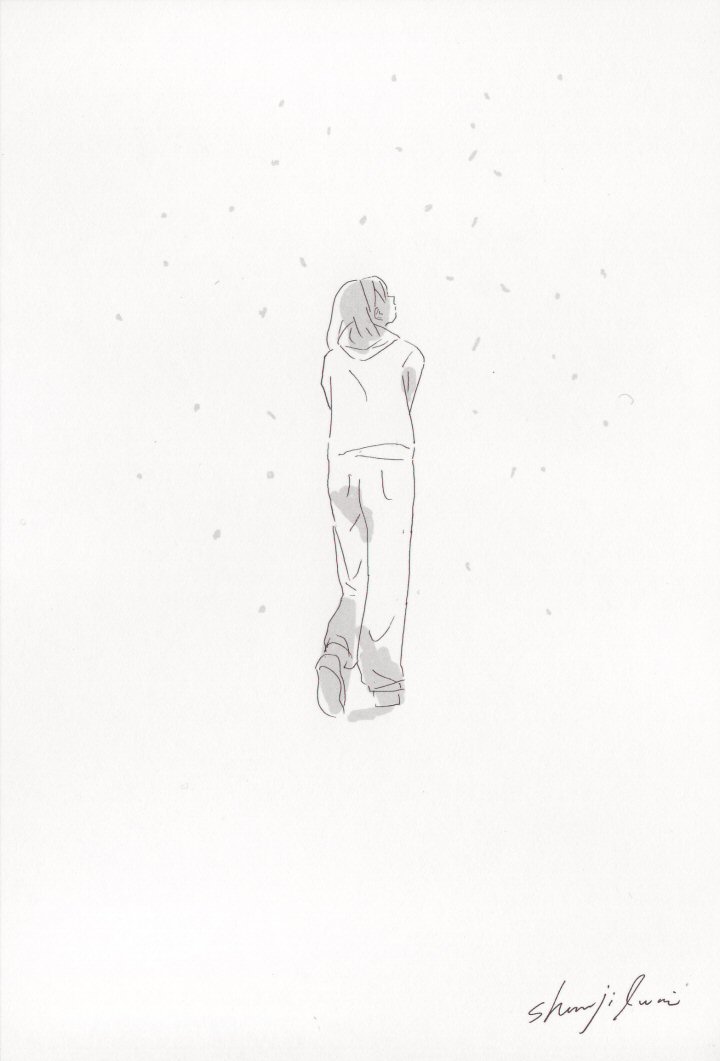
The box set carries 5 digipacks in total, plus a 16 page booglet and 8 artwork cards designed by Iwai himself. The package is nice but practically bragging when it comes to space (both disc and physical size). Each disc carries only two shots, each running 15-25 minutes, meaning lots of disc space is left unused despite the high bitrate. The picture quality looks good to me considering these are not-so-recent TV productions. The transfers are interlaced, except Maria and the bonus disc (not counting film clips) which are progressive. There are no subtitles. Shunji Iwai’s commentary is available for each short.