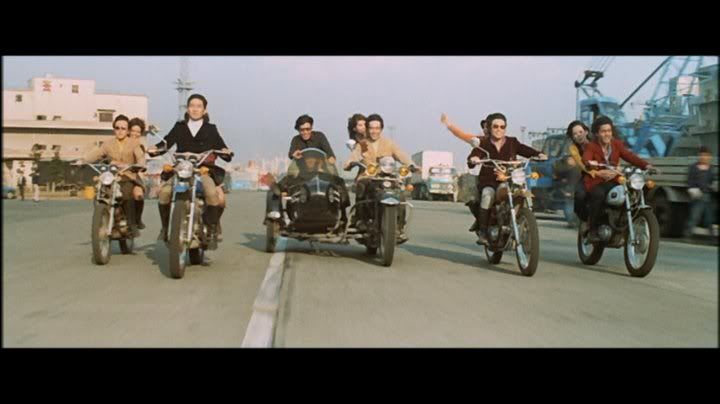
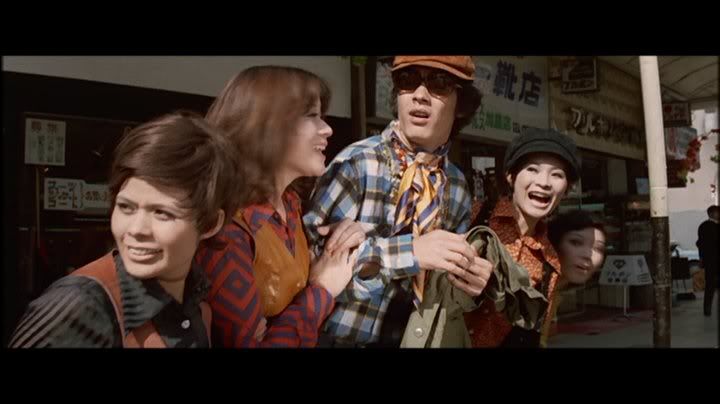
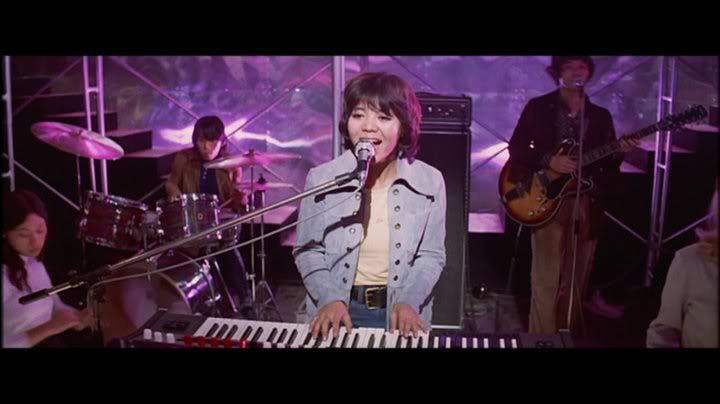
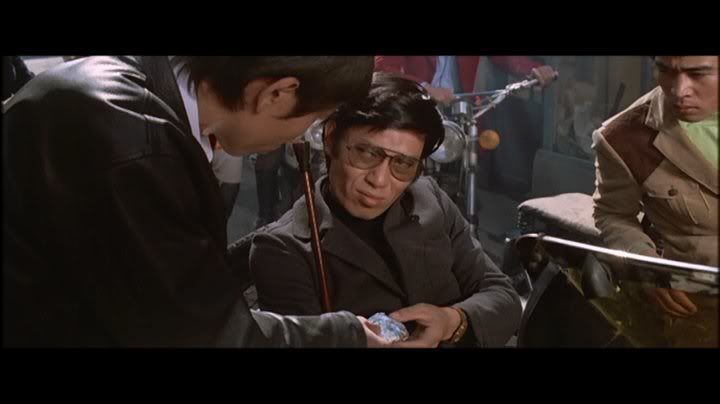
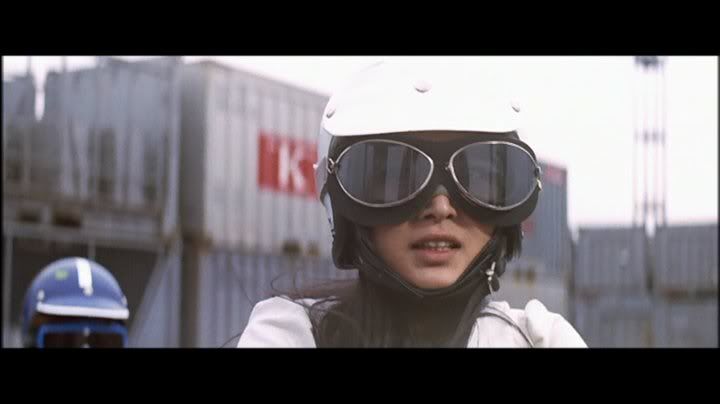
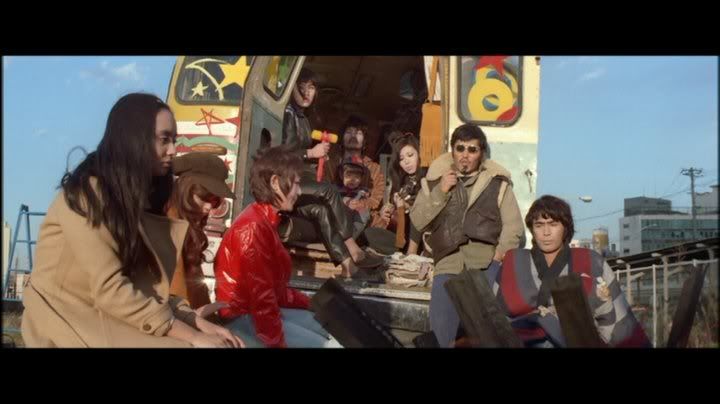
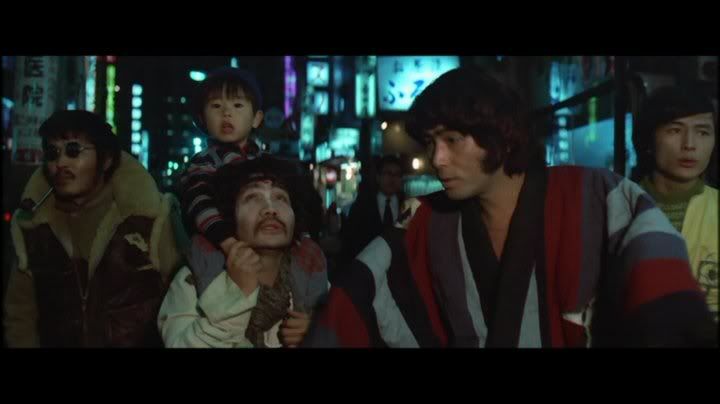
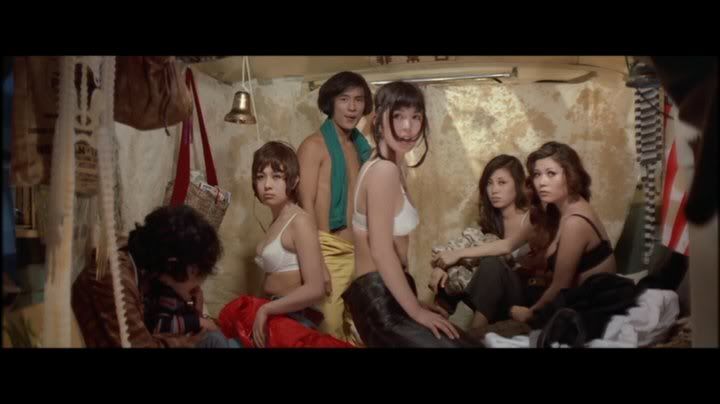
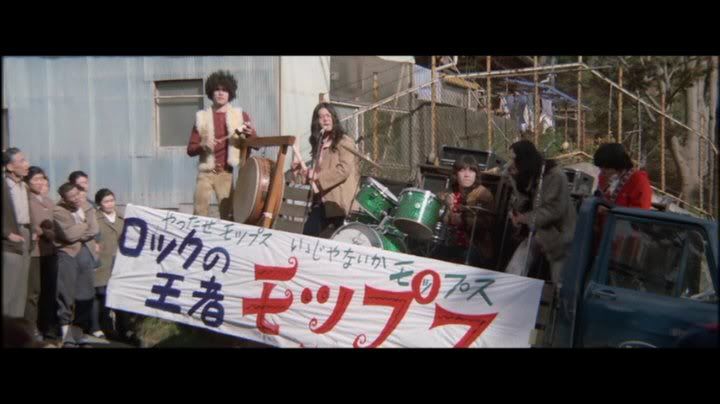
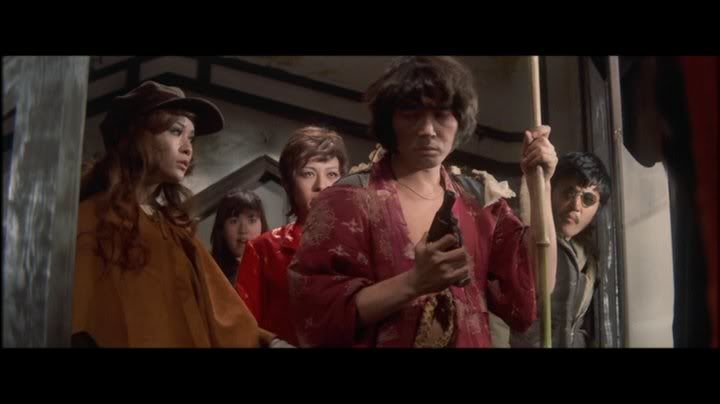
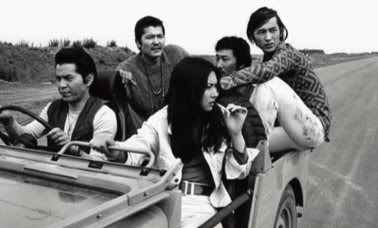
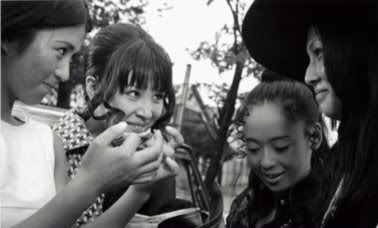
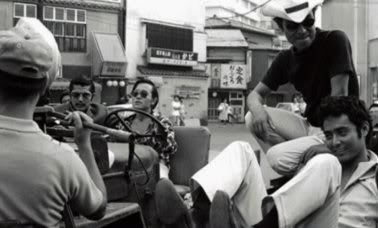
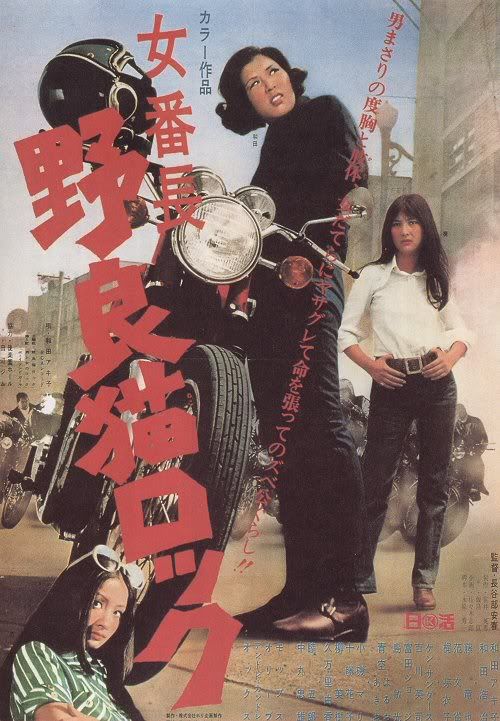
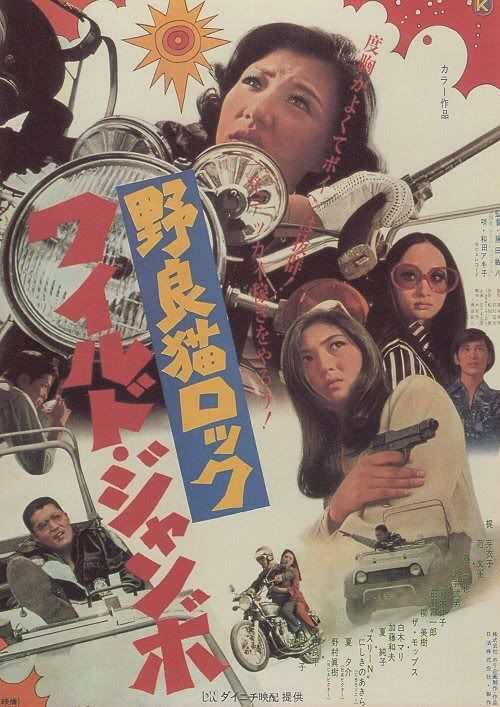
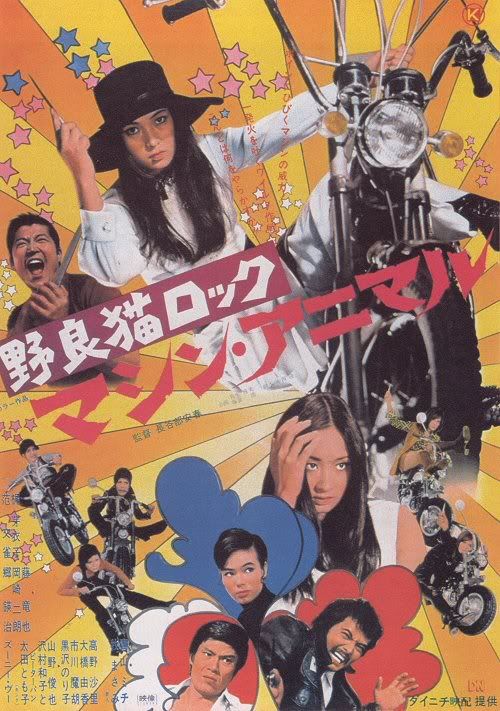
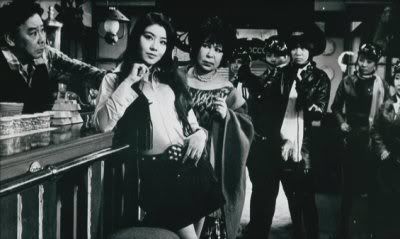
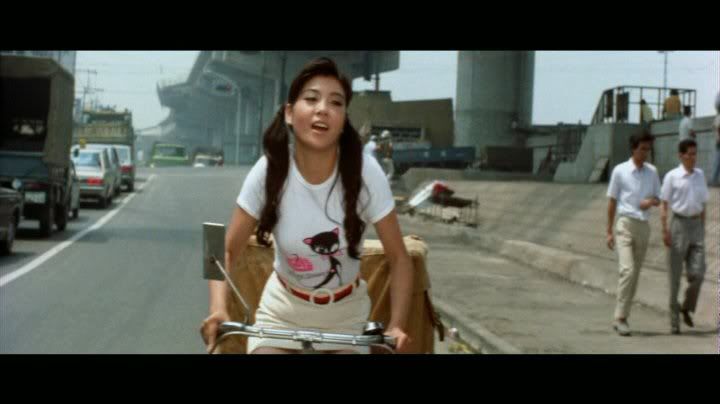
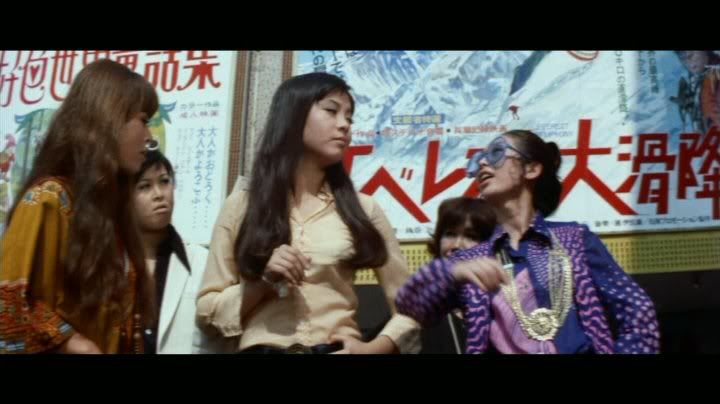
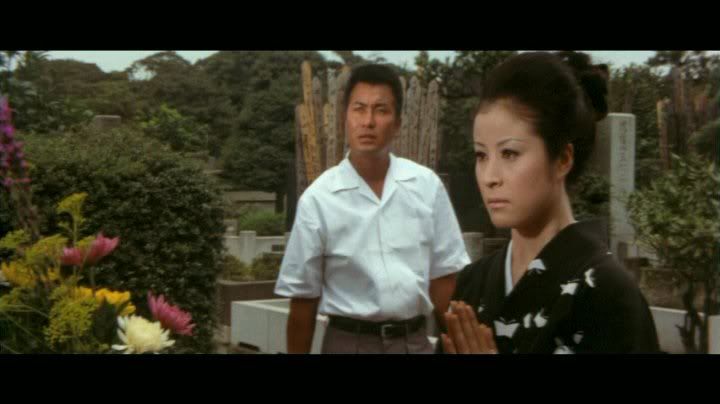
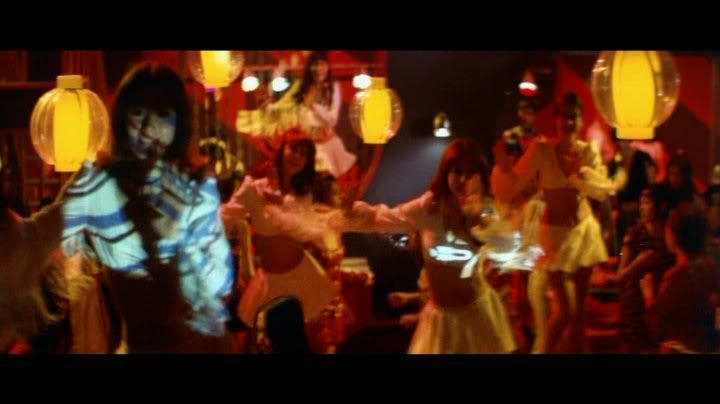
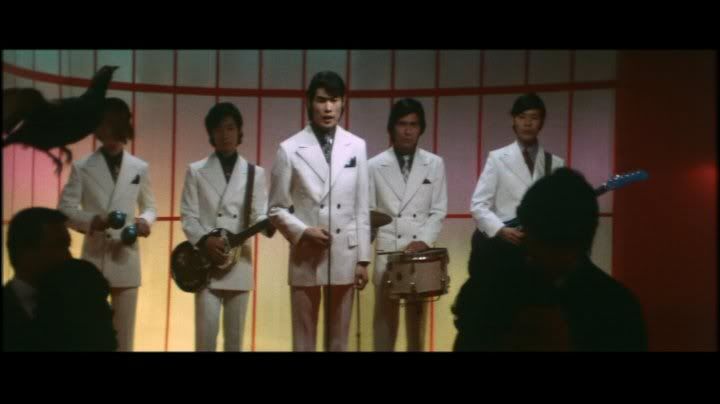
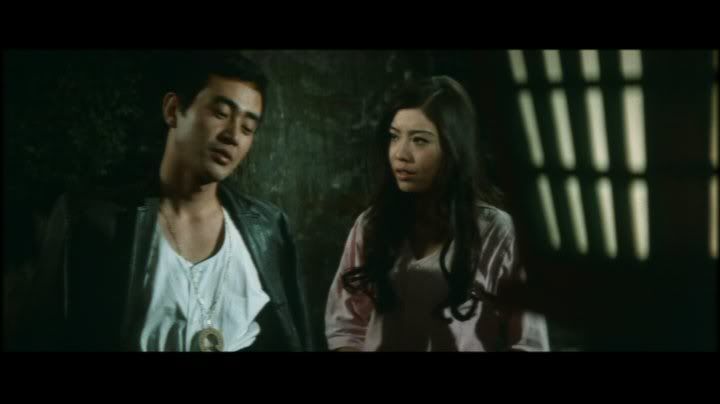
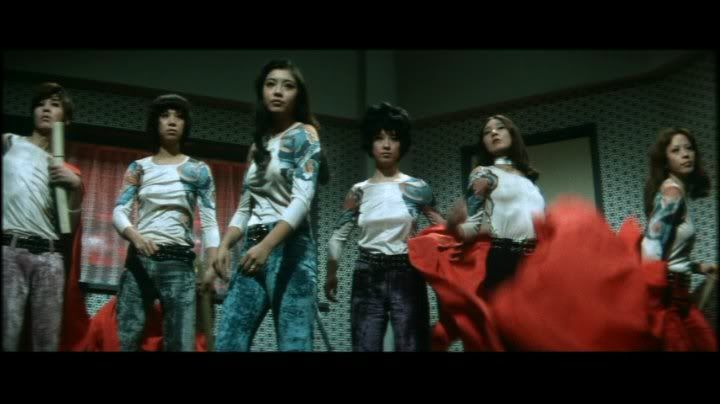
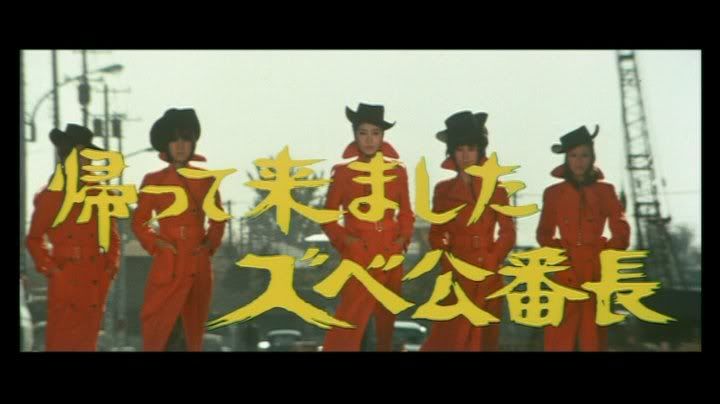
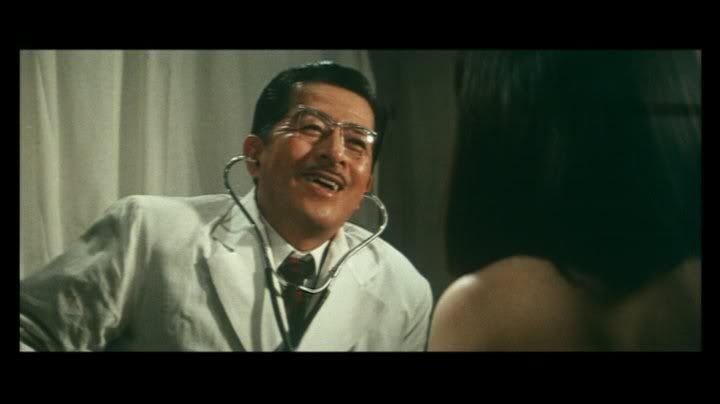
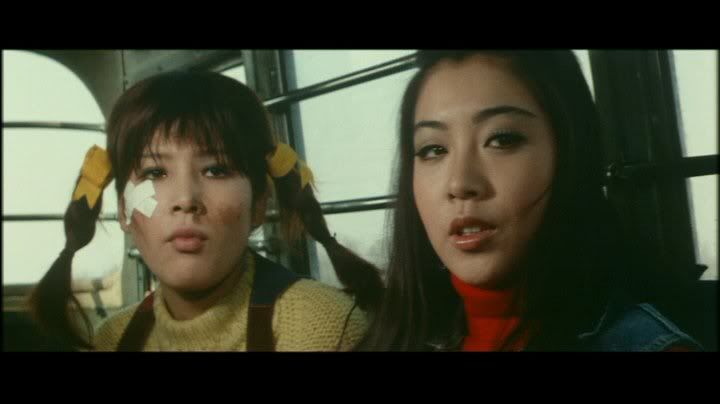
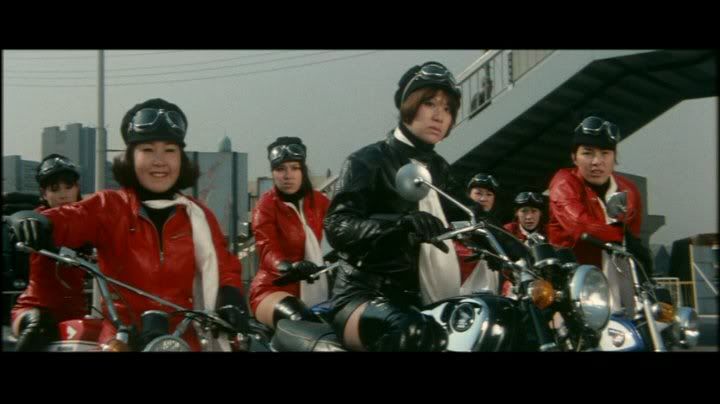
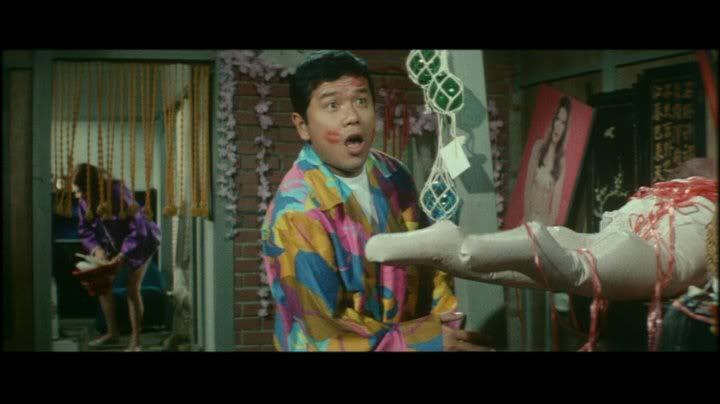
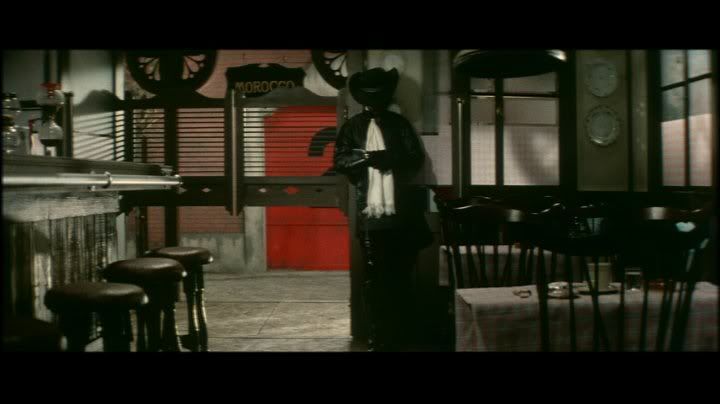
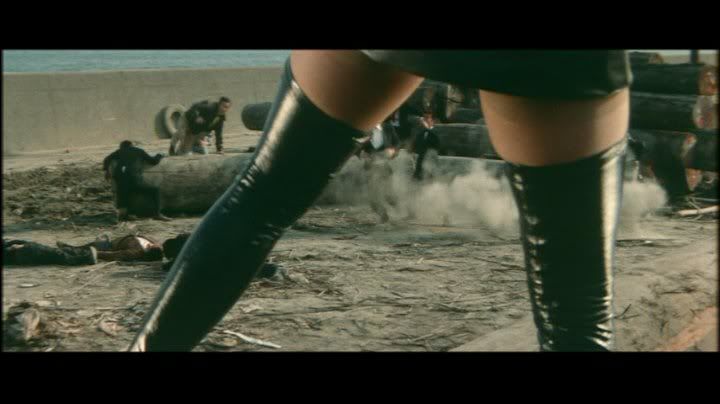
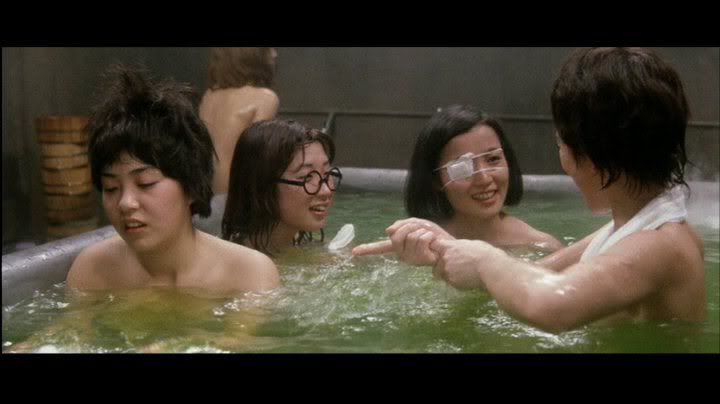
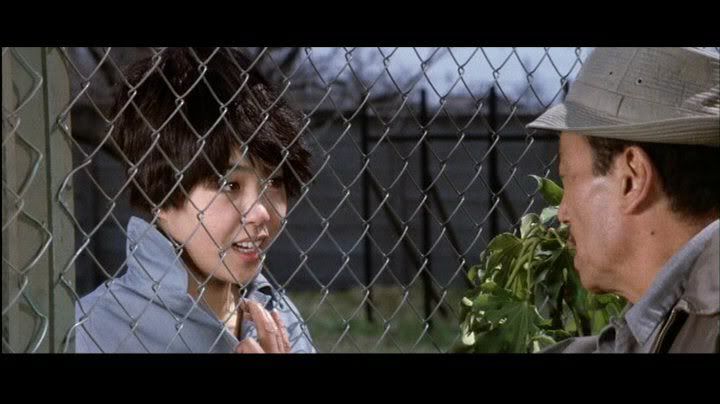
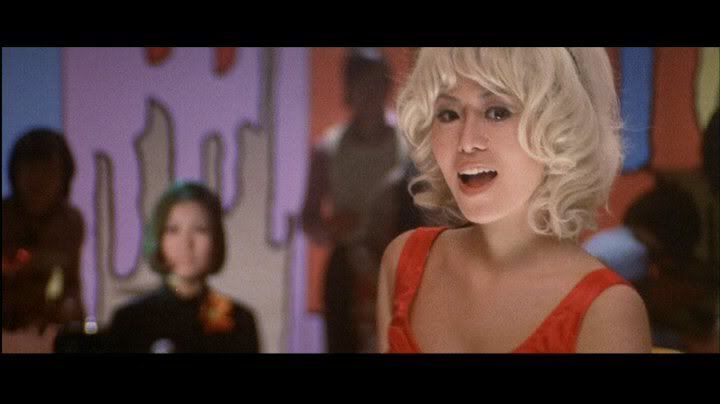
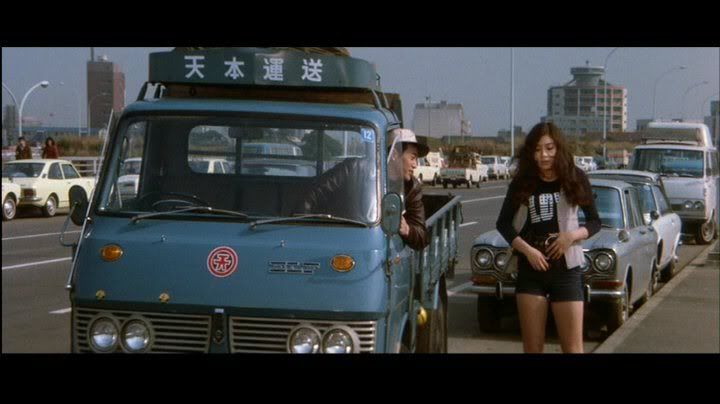
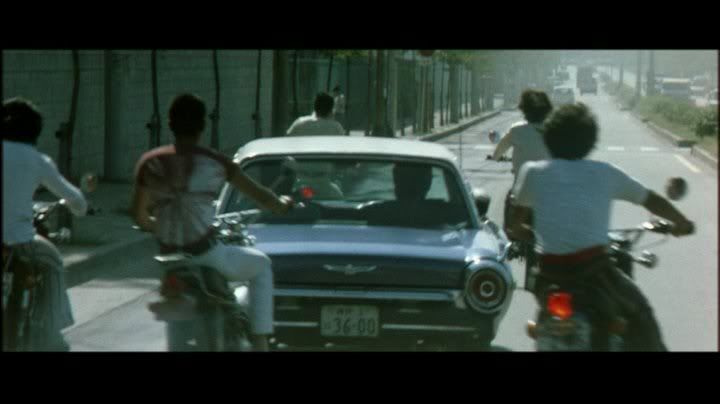
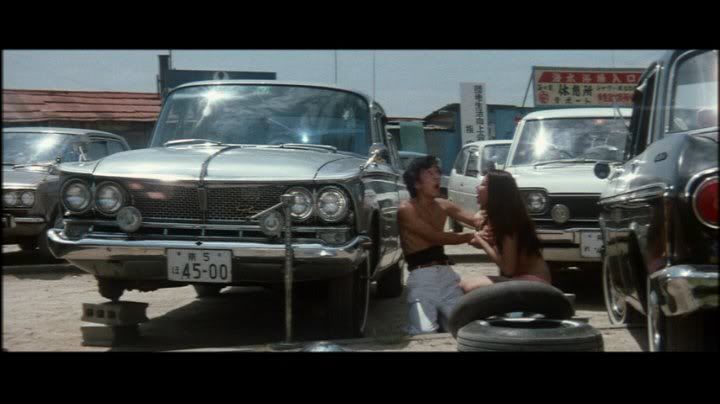
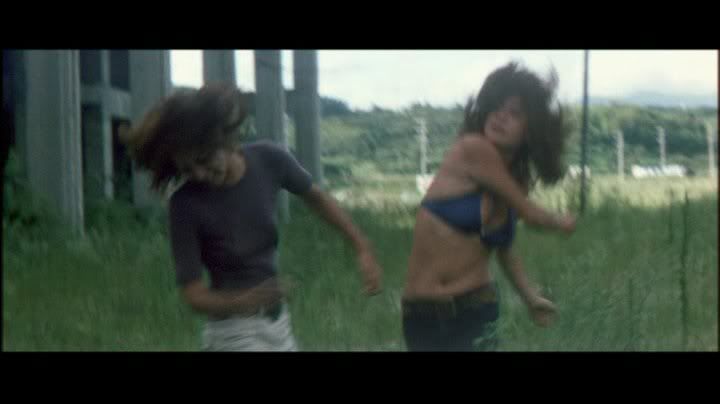
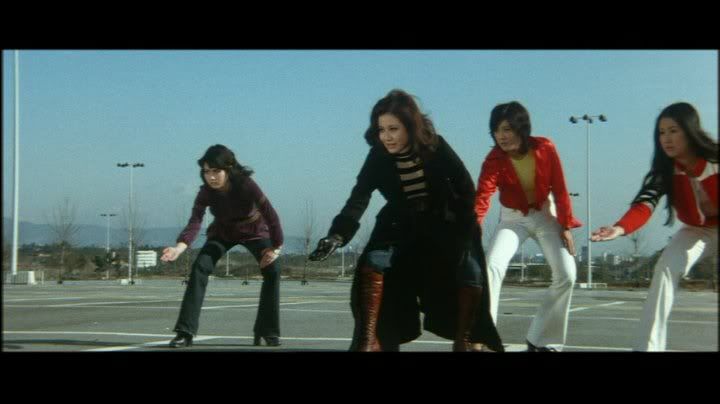
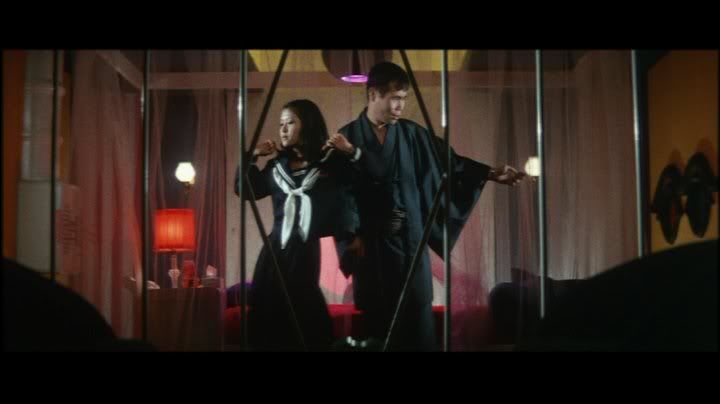
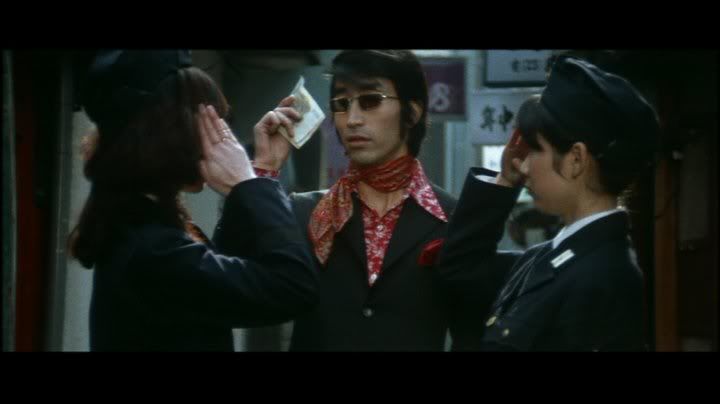
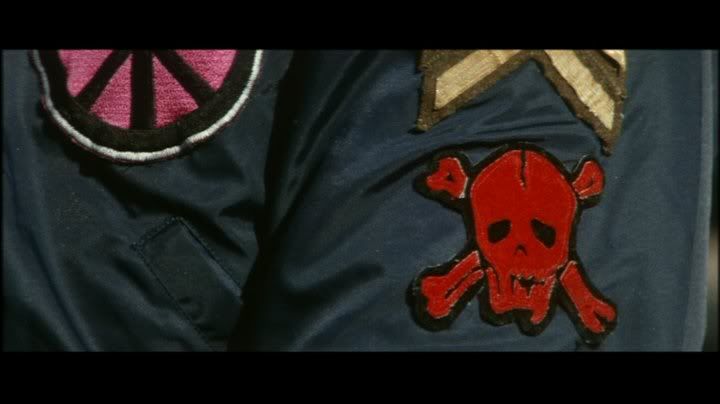
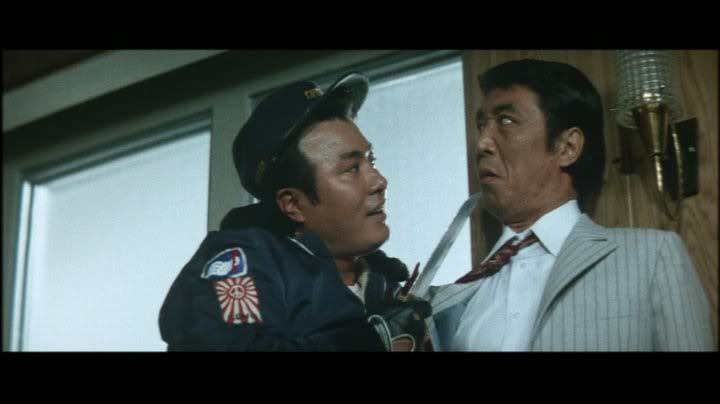
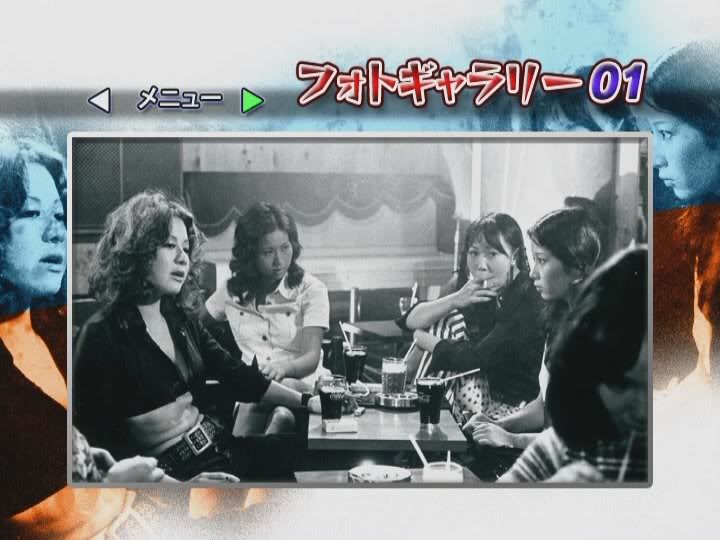
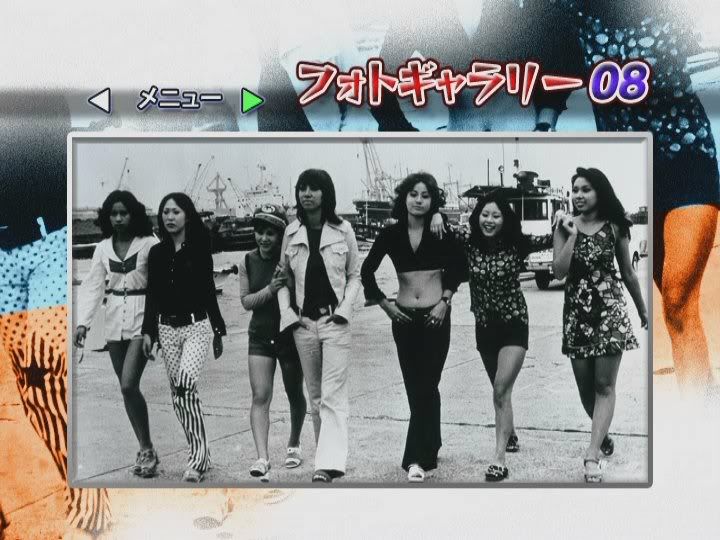
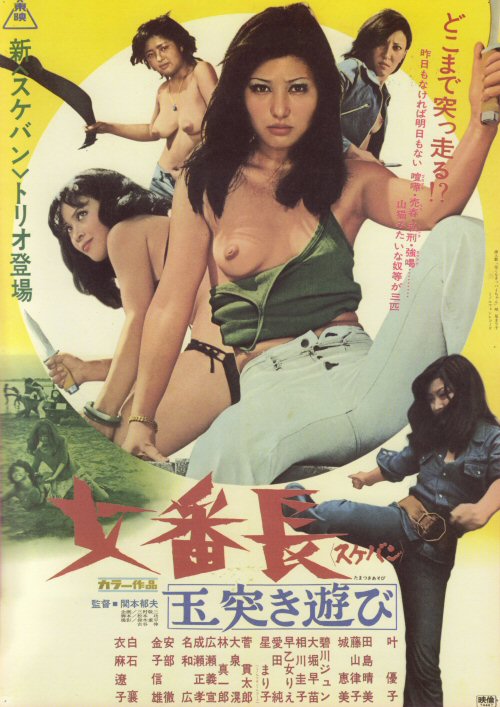
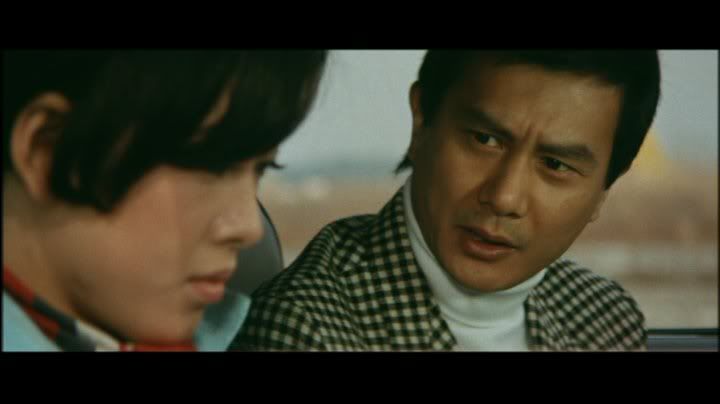
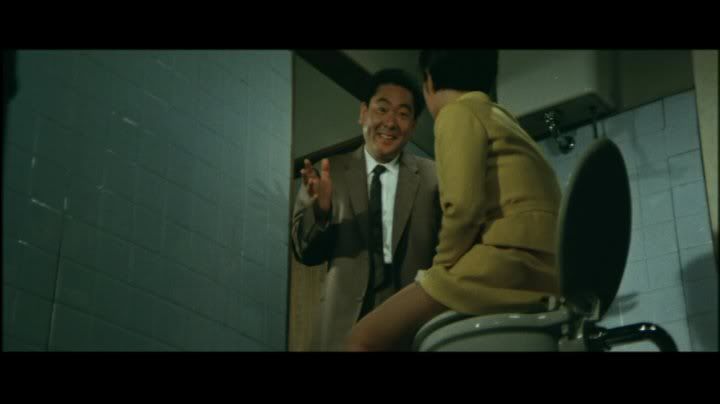
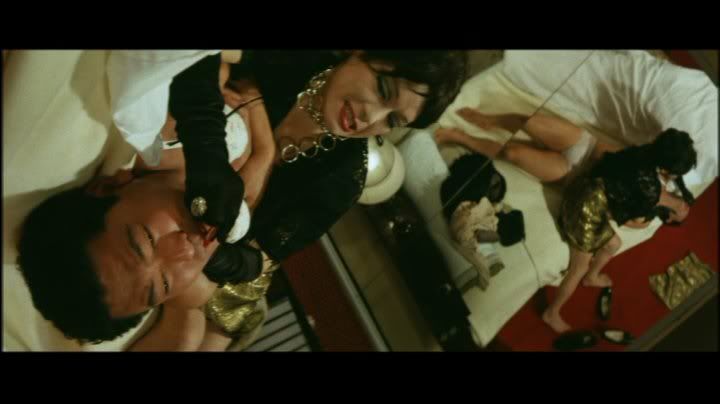
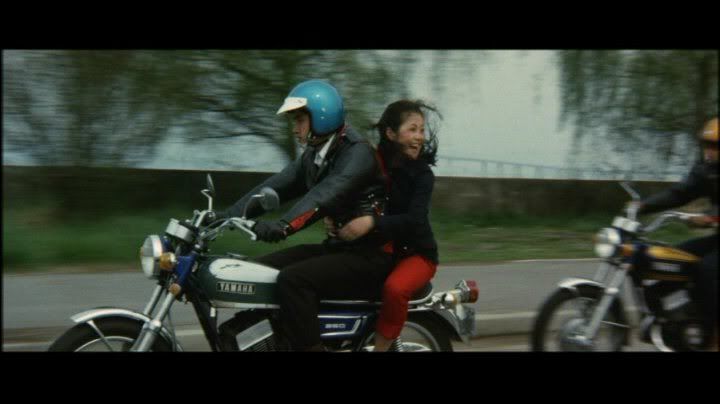
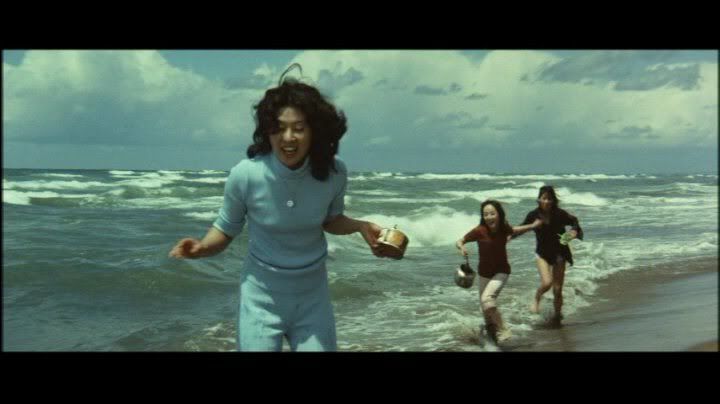
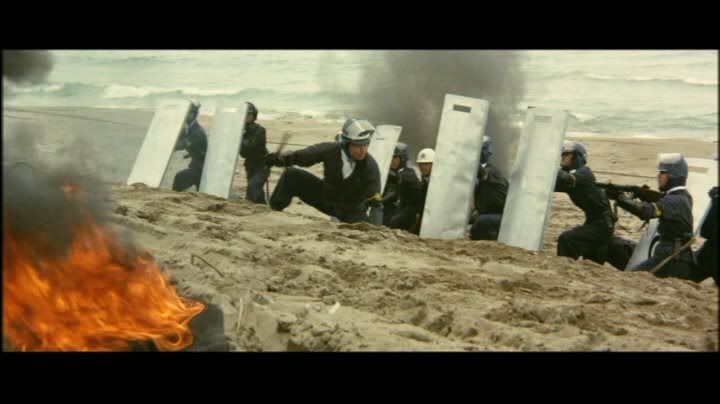
The fourth and best Stray Cat Rock film deals with drugs and freedom. Two Japanese men help a Vietnam war runaway to flee from Japan. Their plan is to sell LSD pills to finance their trip to Sweden, but as word spreads different gangs become interested in gaining possession of the drugs, preferably without paying. Director Hasebe’s previous film Sex Hunter strongly criticized racism in Japan. Machine Animal also deals with foreign people in Japan, but this time the approach is almost entirely positive. When the American runaway (played by Japanese actor Toshiya Yamano) arrives Yokohama he’s immediately welcomed and taken to bowling alley to have fun. Even the villains treat him as human being rather than gaijin garbage. This same positive spirit applies to the entire film. The soundtrack is perhaps the best in the series – or at least most even. Zoo Nee Voo’s Hitori no kanashimi – on which Ozaki Kiyohiko’s beloved classic Until We Meet Again (Mata au hi made) was based on – is featured in one of the film’s numerous, psychedelic club scenes. The main star Meiko Kaji also gets to do a little bit of singing, but her main task is to look endlessly cool (or silly, depending on your taste) wearing a white dress and black hat. The supporting roles star Bunjaku Han as the Dragon Gang leader, Eiji Go as evil motorcycle villain, and Tatsuya Fuji as a quiet, spectacled good guy – an exact opposite from his vicious bad guy role in Sex Hunter. Rival studio Toei followed Nikkatsu’s example some months later; their Delinquent Girl Boss: Ballad of Yokohama Hoods (1971) borrows heavily from Machine Animal. Although Toei ultimately won the girl gang battle, they were still a step behind Nikkatsu in 1970 when it came to youthful action films.